 Psychology Roots
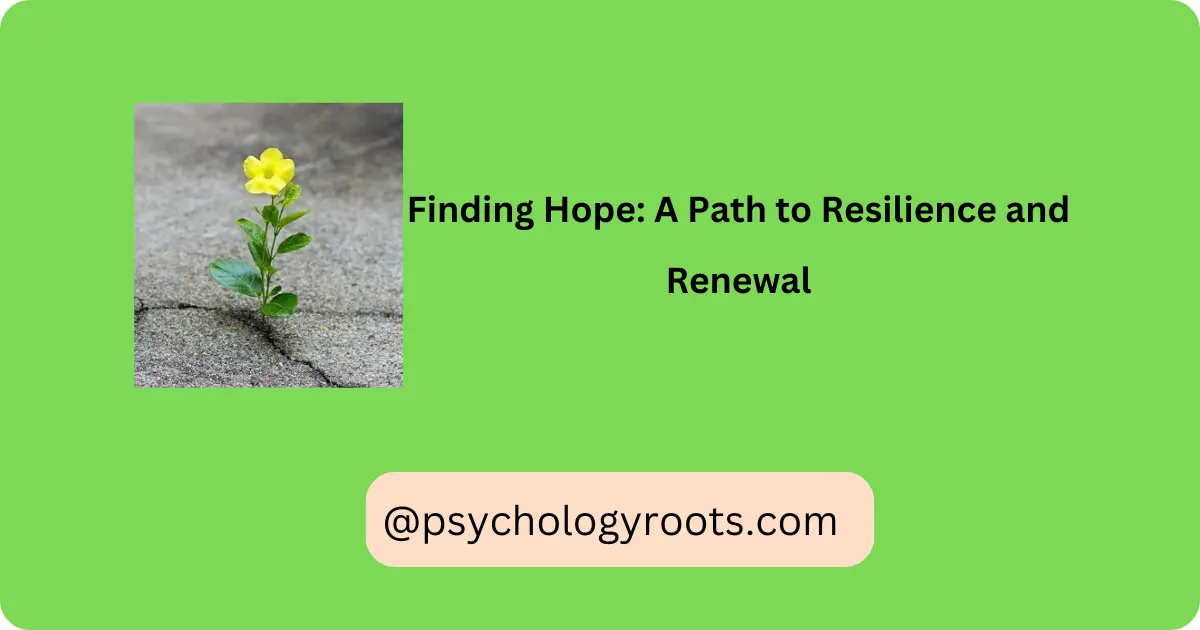
Finding Hope: A Path to Resilience and Renewal
Hope is a fundamental human experience that sustains us through life’s challenges and uncertainties. Yet, when life feels overwhelming, finding hope can seem impossible. This blog explores the importance of hope, the psychology behind it, and actionable steps to rediscover hope even in the darkest times.
The Importance of Hope
What Is Hope?
Hope is more than wishful thinking; it is a belief that positive outcomes are possible. Psychologically, hope motivates us to pursue goals, take risks, and persevere despite obstacles. It is the driving force behind resilience and growth.
The Role of Hope in Mental Health
Research consistently shows that hope is a protective factor against depression, anxiety, and even physical illness. People who feel hopeful tend to recover faster from setbacks, engage more actively in life, and report higher levels of satisfaction and happiness.
Why Finding Hope Feels Difficult
The Weight of Hopelessness
When hopelessness takes over, it can feel like a barrier that prevents any forward motion. This state often stems from chronic stress, unresolved trauma, or a series of setbacks that erode confidence and optimism.
Common Barriers to Hope
- Fear of Disappointment: Many people avoid hoping to protect themselves from potential letdowns.
- Negative Thought Patterns: Cognitive distortions like catastrophizing can overshadow positive possibilities.
- Isolation: A lack of social support often deepens feelings of despair.
The Psychology of Hope
Hope Theory
According to psychologist Charles R. Snyder, hope consists of three components:
- Goals: Having a clear vision of what you want to achieve.
- Pathways Thinking: Identifying strategies to achieve those goals.
- Agency Thinking: Believing in your ability to follow through.
Neurobiology of Hope
Hope activates specific regions of the brain, such as the prefrontal cortex, which is associated with planning and decision-making. This neurological basis highlights hope’s role in fostering action and adaptation.
Steps to Finding Hope
- Acknowledge Your Feelings: The first step toward finding hope is to accept your current emotions. Denying feelings of despair or sadness only prolongs the struggle.
- Set Small, Achievable Goals: Start with manageable goals that can provide a sense of accomplishment. Success in small tasks can reignite your confidence and optimism.
- Challenge Negative Thoughts: Identify and challenge cognitive distortions. Replace self-defeating beliefs with more balanced and realistic perspectives.
- Connect with Others: Isolation feeds hopelessness. Reach out to friends, family, or support groups to share your feelings and receive encouragement.
- Practice Gratitude: Shifting your focus to what you’re grateful for can shift your perspective. Gratitude journals or daily reflections can help you see the positive aspects of life.
- Seek Professional Support: Therapists and counselors can guide you in uncovering and addressing underlying issues that contribute to hopelessness. Evidence-based therapies like Cognitive Behavioral Therapy (CBT) are particularly effective.
Finding Hope Through Mindfulness
The Power of the Present Moment
Mindfulness practices help you anchor yourself in the present, reducing the weight of past regrets and future anxieties. By focusing on the now, you can create space for hope to grow.
Simple Mindfulness Exercises
- Deep Breathing: Calm your mind and body with focused breathing exercises.
- Body Scans: Observe and release tension in your body.
- Gratitude Meditation: Reflect on the things you are grateful for, no matter how small.
Stories of Resilience and Hope
Hearing about others who have overcome adversity can inspire and rekindle your hope. Whether it’s a friend’s story, a memoir, or even a fictional narrative, examples of resilience remind us that change is always possible.
Frequently Asked Questions (FAQs)
What is the best way to find hope during tough times?
Focus on small goals, seek support, and practice mindfulness to build a foundation of hope.
Can therapy help me feel more hopeful?
Yes, therapy provides tools and strategies to address hopelessness and develop a positive outlook.
Is it normal to feel hopeless sometimes?
Yes, hopelessness is a common human experience, especially during significant challenges. It’s important to address it rather than ignore it.
Can gratitude really help me find hope?
Gratitude shifts your focus to positive aspects of life, which can help foster a sense of hope and possibility.
How long does it take to feel hopeful again?
The timeline varies for everyone. Consistent effort with tools like mindfulness, support, and goal-setting can speed up the process.
References
- Snyder, C. R. (2002). Hope Theory: Rainbows in the Mind. Psychological Inquiry.
- Peterson, C., & Seligman, M. E. P. (2004). Character Strengths and Virtues: A Handbook and Classification. Oxford University Press.
- Neff, K. (2011). Self-Compassion: The Proven Power of Being Kind to Yourself. William Morrow.
- American Psychological Association (2023). Resilience and Finding Hope.
- National Institute of Mental Health. (2022). Mental Health Information and Coping Strategies.
Help Us Improve This Article
Have you discovered an inaccuracy? We put out great effort to give accurate and scientifically trustworthy information to our readers. Please notify us if you discover any typographical or grammatical errors.
Make a comment. We acknowledge and appreciate your efforts.
Share With Us
If you have any scale or any material related to psychology kindly share it with us at [email protected]. We help others on behalf of you.


